With more States planning to reopen offices and businesses at an attempt to return to normalcy after weeks of forced lockdown in reaction to the novel coronavirus ( Covid 19) pandemic, one cannot help but wonder about the fate of the open office and the adoption of a remote workforce.
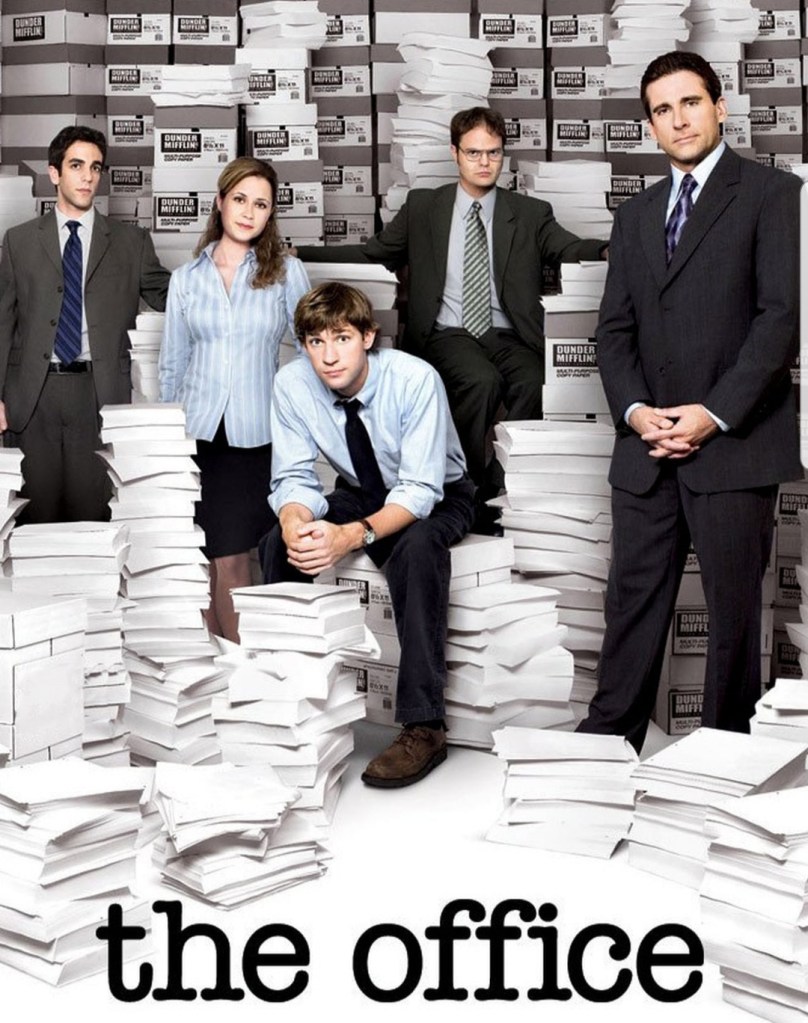
Studies have shown that the open office space can be a petri dish for viral spread. Germs are easily spread and exchanged through contaminated surfaces (table tops, door handles, coffee pots, et al) and the employees themselves who soldier on as unsuspecting vectors.


Many companies and employees have become accustomed to working from home during the lockdown. Thanks to Zoom, Microsoft teams and Slack.
Businesses that had lagged behind in activating a remote workforce have began to adopt and integrate same into their operations to survive in a pandemic wrought recession.
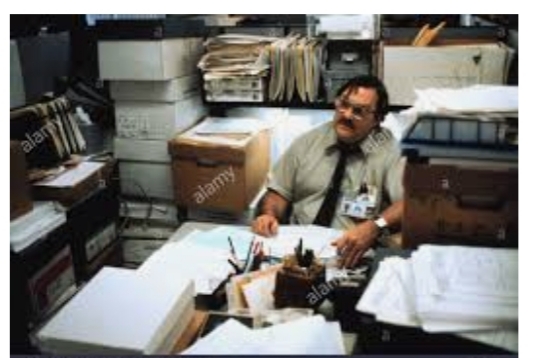
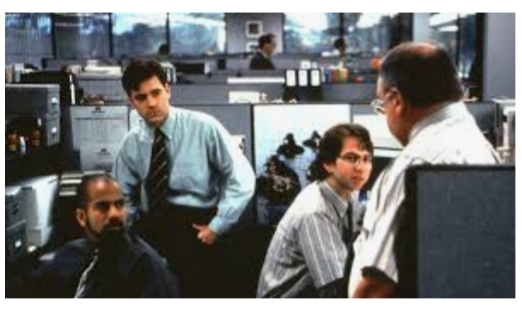
This shift makes one wonder and contemplate whether the change will be transient or permanent ?
Will companies rethink their operations altogether ? Just as costs, productivity and the desire to cram more people into a confined work space sparked an open office revolution that saw an abandonment of office walls for cubicles in the 1960s and 70s ?
Will the relative success of working from home prove to be a persuasive argument in favour of the remote workforce?
Will employees be willing to go back to work without viewing one another with suspicion as potential vectors in an open office space ?
What will be the effect of weeks of being conditioned to practice social (physical) distancing on our work culture ? Will Dilbert get his groove back? Or will he go Macgyver or Johnny Maguire?
Going forward what business practices, office designs and strategies would be best for the board of directors, the shareholders, the investors/creditors, the employees and even the customers ?
You would agree these are indeed interesting questions for an interesting time in living history and memory.
The debate has begun and only time will tell the overall impact of this pandemic on global economics as well as ergonomics.
Vanity fair has a robust and engaging take on the affair –
 DrAlexanderGrey